 Q&A
Q&A Securing a synagogue’s future
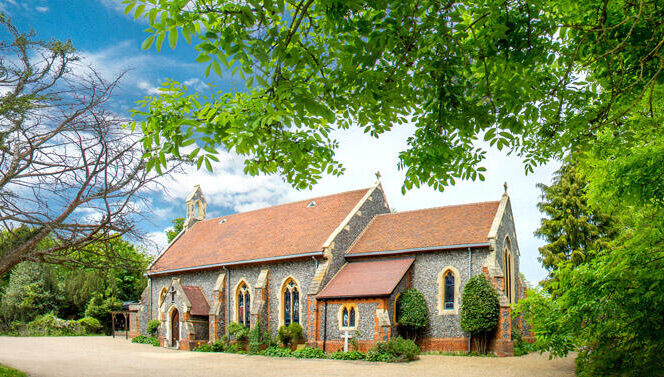
£1.68 million loan has enabled a Hasidic community to find a new, long-term home for their synagogue. Y. Moishe Kornbluh explains why purchasing the premises is so important for the community and how he found the loan process.
How have you used your Charity Bank loan?
The loan enabled the charity to purchase 148 Upper Clapton as a permanent home for our synagogue and wider charitable activities. The acquisition secures an established community facility and gives us greater security, space and flexibility than our previous arrangements. It gives the charity a stable base from which to expand our religious, educational, poverty-relief and community-support work.
The synagogue, Tehilois Yoel, provides a regular place of worship, study, community support and connection, principally for the Satmar community but also for the wider public. It is a welcoming place used throughout the day, including by people who come in for refreshment, a coffee, companionship or practical assistance.
The premises will also support the wider charitable purposes set out in our governing document, including relieving poverty, supporting young people and older people, promoting education and study, and strengthening community wellbeing.
Have you seen an increase in need in recent years?
Yes. We have seen growing demand for accessible local community space, particularly from families, young people, older people and people facing financial or social pressures. There is also an increasing need for a safe, welcoming place where people can find support, community and practical help during the day.
How many people will benefit from the project?
The premises will benefit, overall, approximately 700 worshippers and users during the year, as well as many other local residents who will benefit from the community support, refreshments, educational activities and charitable assistance available from the site.
The purchase enables us to plan services and activities for the long term, increase opening and use where appropriate, and support a wider range of beneficiaries. We expect this to represent an increase in the people we can support.
Why did you decide to move from renting to ownership?
Renting leaves a community organisation vulnerable to rising rents, lease expiry, uncertainty and the risk of having to relocate. Purchasing the property was the most effective way to secure a long-term home for the charity. Ownership gives us stability and control over our future. We can invest confidently in the building and plan our services over the long term.
Will your loan repayments be less than your rent?
The loan repayments are less than the cost of renting suitable comparable premises, while each repayment also helps the charity build an asset for future beneficiaries. The key benefit is not only the level of monthly repayment, but the long-term security and value created for the charity.
Has the loan strengthened your organisation?
Yes. It has strengthened the charity both practically and financially. It has given us a secure base for delivery of our charitable purposes, reduced the uncertainty associated with rented accommodation, and enabled the charity to hold a lasting community asset. This creates greater resilience and supports better long-term planning.
Could you have bought the property without loan finance?
Not within the same timescale. Raising the entire purchase price through grants and donations alone would have taken considerably longer and could have jeopardised the opportunity to secure the premises. The loan allowed us to act at the right time while maintaining a responsible and manageable funding structure.
Did the loan help you to get grant funding?
The loan gave funders confidence that the project was viable, properly planned and capable of being delivered. It demonstrated commitment and enabled us to put together a more credible overall funding package.Why did you choose Charity Bank for your loan?
We chose Charity Bank because it understands charities and social purpose organisations. It considered not only the financial aspects of the proposal, but also the real community benefit that the project will create. That values-led approach was important to us.
What were your main concerns about taking out the loan?
Our principal concern was ensuring that the charity took on borrowing responsibly and that repayments would remain affordable. We considered this carefully against the risks of continuing without a permanent home. We concluded that the long-term benefits of security, stability, greater capacity and a valuable charitable asset outweighed the manageable financial commitment.
How did Charity Bank help to ease your concerns?
Charity Bank took the time to understand the charity, the project and the community we serve. The discussions were constructive and practical, and helped us assess affordability and the long-term implications of the loan with confidence.
How did you find the process of applying for the loan?
Well, I can’t say it was easy; the process was thorough, as it should be for an important long-term commitment, but Charity Bank was also supportive and clearly focused on finding a workable solution. We felt that they understood the realities of operating a community charity.
What worked particularly well?
Having a named relationship manager (Denise) was particularly valuable. It meant we had a consistent point of contact who understood the project and could guide us through the process. The personal approach and willingness to engage with the charity’s mission made a real difference.
What were the main challenges of the process?
The principal challenge was gathering the necessary financial, legal and property information, and securing a suitable lease on the premises, while continuing to run the charity’s day-to-day work. It required time and careful preparation, but that process also helped ensure that the project was properly structured.
Is there anything charities can do to make the process easier?
Charities should begin preparing early: keep financial records up to date, have a clear business plan and cash-flow forecast, take advice where needed, understand the condition and legal position of the property, and be able to clearly explain the community need and expected impact. Early engagement with trustees and professional advisers is also helpful.
What would you say to another charity that is considering taking out its first large loan?
We would encourage other charities not to assume that loan finance is only for large commercial organisations. A loan should be affordable and well planned, but charities should not overlook the opportunity it can provide to secure a permanent asset and deliver greater benefit to their communities. With proper planning, governance and a clear repayment strategy, responsible borrowing can be a powerful way for a charity to secure its future and increase its impact.
What are you most proud of when you speak to your service users?
We are most proud that the charity is creating a genuine home for people: a place for worship, study, support, friendship and practical assistance. The building is not simply a property; it is a community resource that will enable us to support people of all ages and backgrounds for many years to come.
Would you recommend that other charities and social enterprises consider Charity Bank?
Yes. We would recommend that charities and social enterprises consider Charity Bank when they need finance for a well-planned project with clear community benefit. Its understanding of the social sector and personal approach were particularly valuable to us.
Why is ethical banking so important for the social sector?
Charities exist to create public benefit, so it is important that their financial partners understand and support that purpose. Ethical banking helps ensure that financial decisions are aligned with long-term community value, responsible stewardship and social impact, rather than focusing only on short-term commercial return.
What’s next for your charity?
Our next step is to make full and effective use of Tehilois Yoel as a stable base for worship, study and wider charitable work. We want to strengthen the support available to people in poverty, young people and older people, develop our educational and community activities, and ensure that the premises serve both the Satmar community and the wider public for many years.
About Charity Bank
Charity Bank is the loans and savings bank owned by and committed to supporting the social sector. Since 2002, we have used our savers’ money to make more than 1480 loans totalling over £653m to housing, education, social care, community and other social purpose organisations.
Nothing in this article constitutes an invitation to engage in investment activity nor is it advice or a recommendation and professional advice should be taken before any course of action is pursued.

 Story
Story